Digital Rewards Systems and Transaction Analytics Monitor Changes in Real-Time Betting Habits Across Football, Racing, and Casino Tables
Written by Avery Franke · Aug 25, 2026
Digital Rewards Systems and Transaction Analytics Monitor Changes in Real-Time Betting Habits Across Football, Racing, and Casino Tables
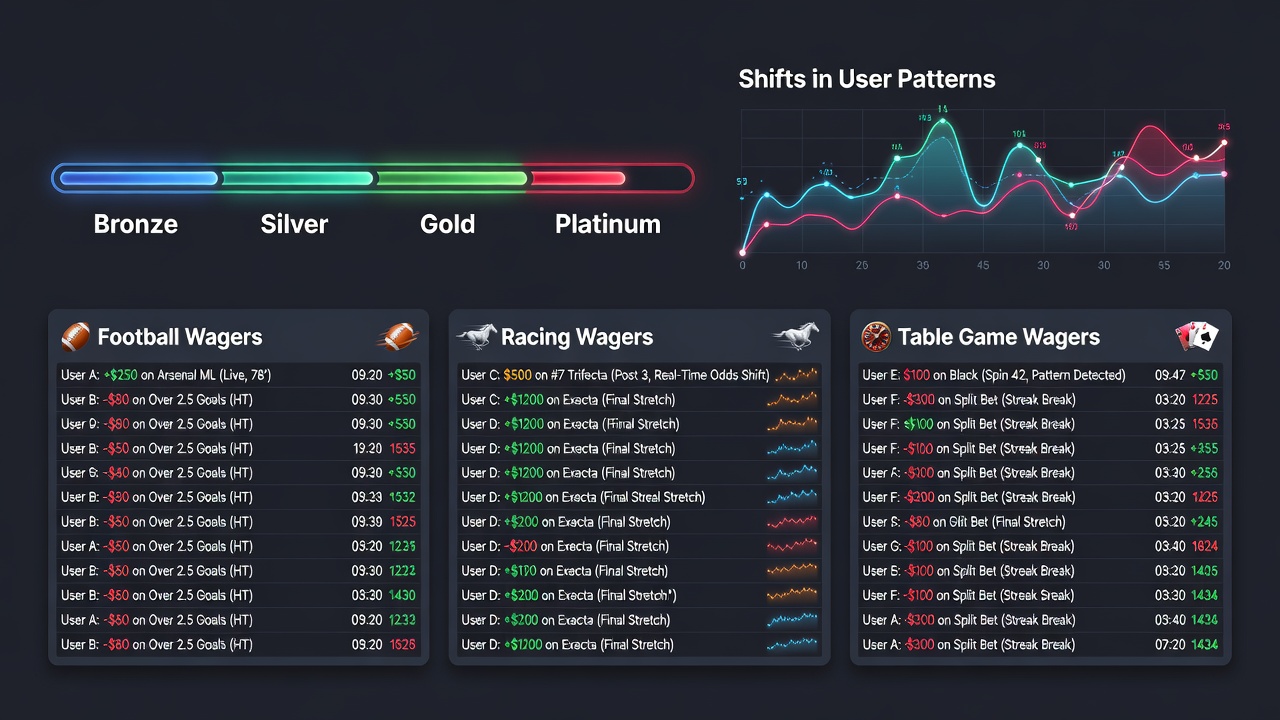
Operators in the betting sector rely on loyalty tiers combined with detailed app transaction logs to identify shifts in how users place real-time wagers on football matches, horse races, and table games. These systems record every bet amount, timing, and selection while assigning users to reward levels based on cumulative activity. Data collected through mobile platforms shows patterns that emerge when participants move from pre-event bets to in-play decisions during live events.
How Loyalty Tiers Categorize User Activity
Loyalty programs divide participants into tiers such as bronze, silver, gold, and platinum according to total stakes placed over set periods. Higher tiers unlock benefits including boosted odds, cashback percentages, and priority access to promotions. Transaction logs feed directly into these classifications by tracking frequency of wagers, average stake sizes, and preferred game types. In August 2026, platform data indicated that users reaching gold status increased their in-play football bets by noticeable margins compared with lower-tier accounts.
Analysts note that tier progression often correlates with changes in betting speed. Users who advance through levels tend to place more table game wagers during evening hours while maintaining steady horse racing activity on weekends. The logs capture these transitions without requiring separate surveys because each transaction carries timestamps and game identifiers.
Transaction Logs Capture Real-Time Pattern Shifts
App-based records store precise details on every wager including stake value, odds at placement, and outcome. When users switch from pre-match football bets to live in-play options, the logs register the exact moment and amount of the change. Similar patterns appear in racing when bettors move from ante-post selections to each-way bets during races. Table game activity shows comparable movement toward live dealer blackjack or roulette sessions once users enter higher loyalty brackets.
Research from the American Gaming Association highlights how aggregated transaction data reveals seasonal variations in user behavior across multiple jurisdictions. Operators use these records to adjust loyalty rewards in real time. For instance, increased table game volume during certain months prompts targeted bonus offers that appear only to users whose logs show rising activity in that category.
Integration of Data Across Football, Racing, and Table Games
Combined analysis of football, racing, and table game transactions allows platforms to detect cross-category shifts. A user who begins with football in-play bets may later add horse racing wagers during the same session, and logs record the sequence along with any tier advancement that follows. Studies conducted by the Victorian Commission for Gambling and Liquor Regulation demonstrate that such multi-category engagement often precedes movement into higher reward levels.
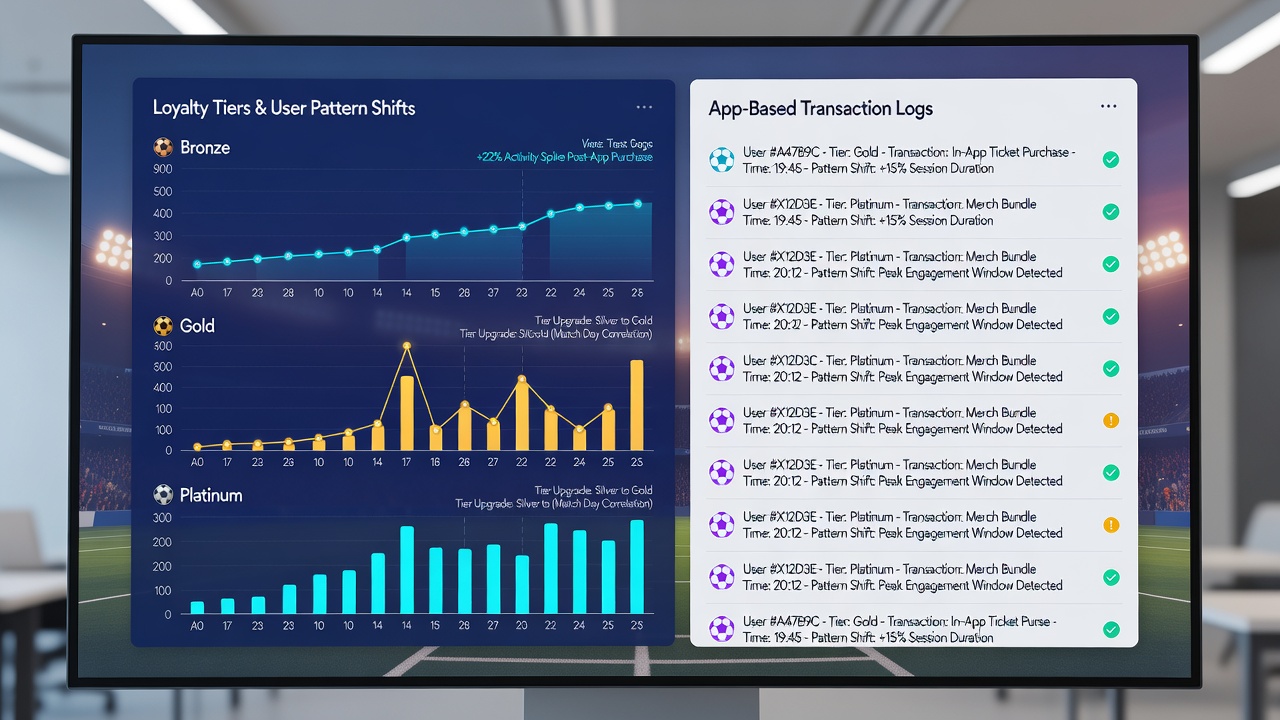
Platforms process these logs through automated systems that flag deviations from established patterns. An account that suddenly increases table game stakes after consistent football activity triggers review for tier adjustment. The same process applies when racing bettors extend sessions into live casino environments. This cross-referencing maintains accurate tier assignments while supplying operators with granular views of how real-time wagering evolves.
Role of Mobile Platforms in Pattern Tracking
Mobile applications serve as the primary interface for collecting transaction data because users complete most real-time bets through these channels. Each session generates logs that include device type, session duration, and sequence of game selections. Observers note that football wagers placed during matches frequently occur in shorter bursts than racing bets, which tend to cluster around race start times. Table game activity shows more consistent pacing across extended periods.
Operators integrate loyalty tier information with these mobile logs to deliver personalized notifications. Users in mid-level tiers receive offers tied to their recent transaction history, such as enhanced returns on specific table game variants. Data processed in August 2026 showed that such targeted communications coincided with measurable increases in session length across all three categories.
Conclusion
Loyalty tiers and app transaction logs together provide operators with structured methods to monitor evolving user patterns in real-time football, racing, and table game wagers. The combination of reward classification and detailed activity records enables precise identification of shifts in betting timing, stake size, and game preference. Continued refinement of these tracking systems supports ongoing analysis of how participants engage with live events across multiple betting formats.