Payment Preferences Driving Mobile Engagement Across Football, Racing, and Casino Platforms
Written by Sage Flores · Aug 20, 2026
Payment Preferences Driving Mobile Engagement Across Football, Racing, and Casino Platforms
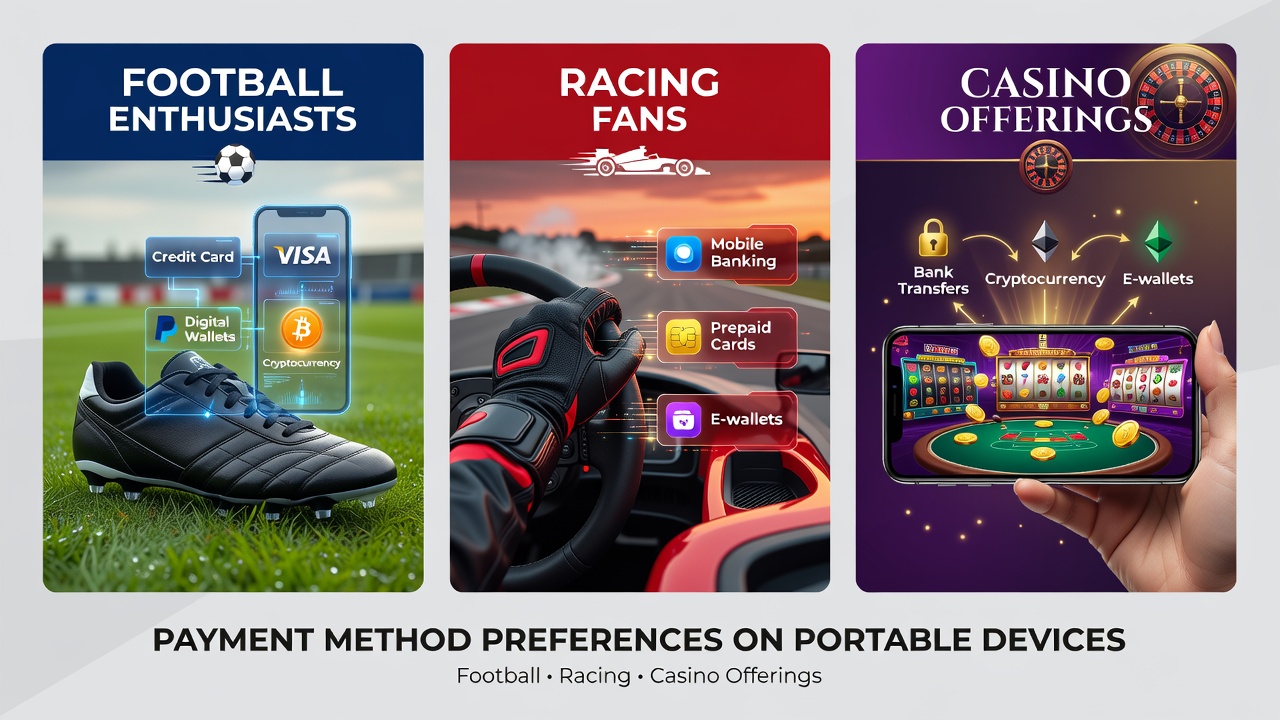
Data from industry reports shows enthusiasts of football, racing, and casino offerings on portable devices increasingly favor certain transaction methods that emphasize speed and security while data indicates e-wallets and digital wallets account for a growing share of deposits across these categories and observers note this shift aligns with broader mobile payment adoption trends that accelerated through 2025 and into August 2026.
Growth Patterns in Mobile Transaction Volumes
Figures from regulatory filings reveal portable device betting activity expanded notably in multiple jurisdictions and researchers at academic institutions have documented how football fans often complete transactions during live matches using methods that process instantly whereas racing enthusiasts tend to prefer options that support recurring small stakes throughout race days and casino players frequently select platforms that integrate seamless withdrawals after sessions end and these patterns emerge because portable interfaces prioritize convenience over traditional desktop setups.
Studies conducted by the American Gaming Association found that credit and debit cards remain foundational yet their dominance has given way to alternatives such as Apple Pay and Google Pay in regions with high smartphone penetration and this transition occurs because those systems reduce friction during high-volume betting periods like major football fixtures or evening racing meetings.
Variations by Activity Type
Enthusiasts engaged with football on mobile devices show stronger uptake of bank transfer integrations that link directly to mobile banking apps while racing participants often rely on prepaid vouchers or digital gift cards that allow precise stake management and casino users gravitate toward cryptocurrency options where available because volatility hedging features appeal during extended play sessions and analysts from the Malta Gaming Authority documented these distinctions through anonymized transaction logs that highlight how each segment optimizes for its unique pacing demands.
Security and Speed Factors Influencing Choices
Security protocols embedded in modern portable payment systems have encouraged broader acceptance and users report fewer concerns when platforms employ tokenization that masks card details during football live bets or racing in-play wagers and speed becomes critical when casino enthusiasts move between table games rapidly and data compiled by the New Jersey Division of Gaming Enforcement indicates that methods offering sub-minute confirmations capture higher repeat usage rates across all three categories.
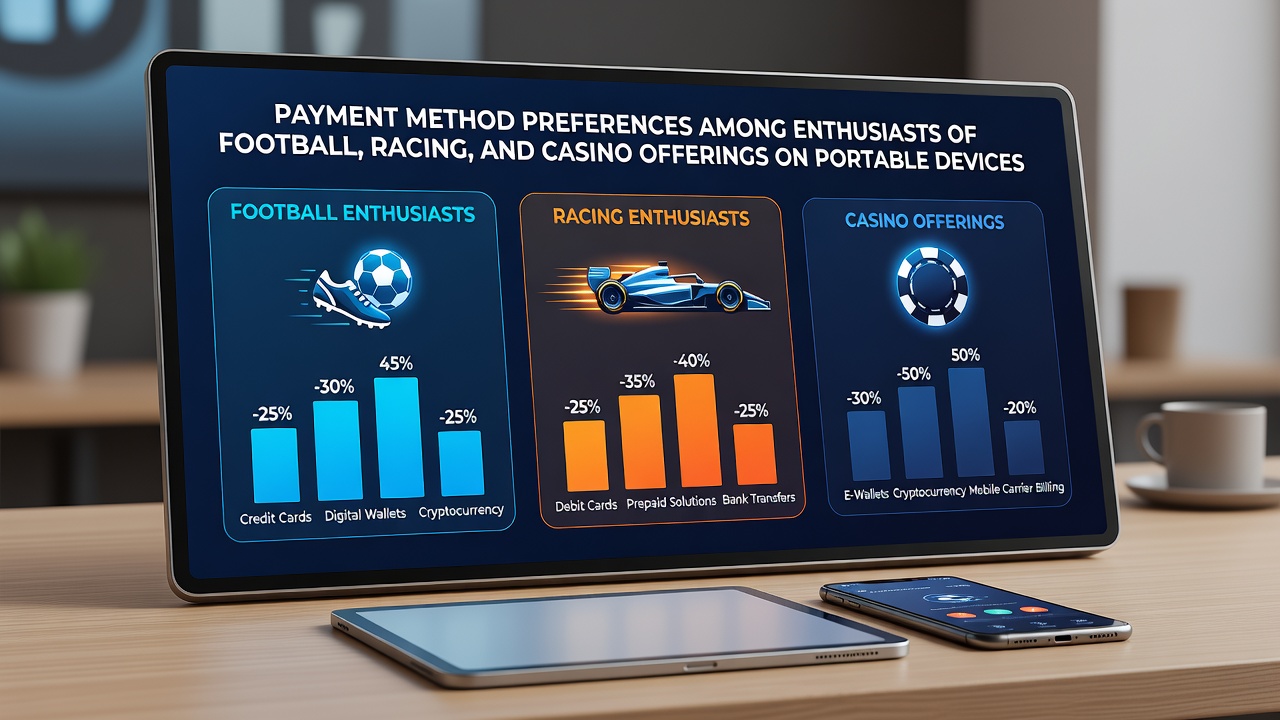
Regional differences also surface because regulatory environments shape available tools and European markets demonstrate higher crypto integration compared with North American counterparts where traditional cards paired with instant verification still lead and researchers discovered these variations persist even as global device standards converge and payment providers respond by offering hybrid solutions that adapt to local preferences.
Emerging Tools and Their Adoption
Biometric authentication paired with digital wallets has gained traction among portable device users and football bettors appreciate fingerprint or facial recognition that speeds login and deposit steps during fast-moving matches while racing fans value the same features for quick adjustments between races and casino participants benefit during multi-table engagements and evidence from university-led surveys suggests these layered security elements reduce drop-off rates at checkout points.
Observers tracking August 2026 activity noted sustained interest in buy-now-pay-later structures for larger casino deposits although adoption remains measured in sports contexts and industry groups continue to monitor how such financing interacts with responsible gaming frameworks across jurisdictions and this monitoring occurs because portable platforms make impulse transactions more accessible than ever before.
Conclusion
Transaction preferences among mobile enthusiasts of football, racing, and casino offerings reflect a blend of established methods and newer digital solutions that prioritize immediacy alongside protection and ongoing data collection from diverse regulatory bodies and research organizations will continue to illuminate how these choices evolve alongside device capabilities and user expectations in the years ahead.